← All postsBrightening

Korean Melasma Treatment Methods: Your 2026 Guide

Struggling with melasma (pigmentation)? Discover how Korean melasma treatment methods combine cutting-edge actives, barrier-first philosophy, and daily sun protection to fade stubborn pigmentation gently but effectively.

·8 min read·

Korean Melasma Treatment Methods: Your Complete 2026 Guide

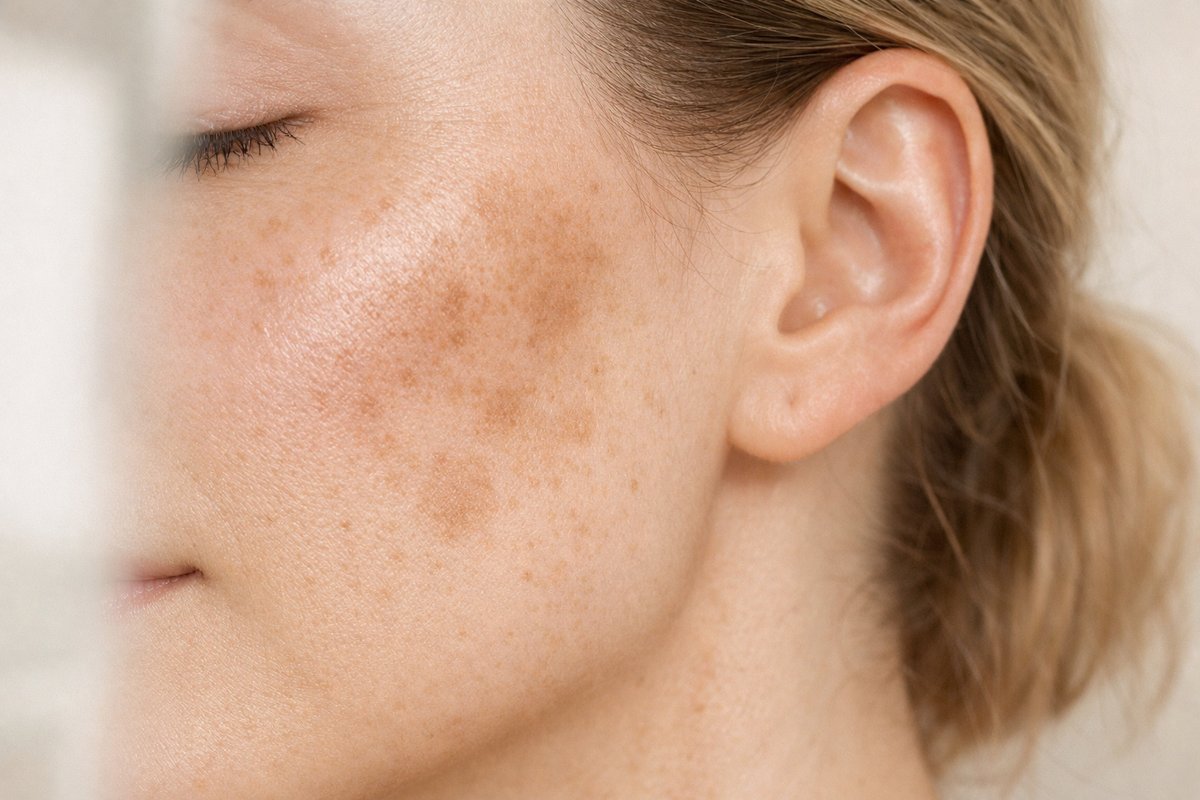
Melasma those stubborn patches of brown or grey-brown pigmentation that tend to appear on the cheeks, forehead, and upper lip can be challenging to treat, but consistent multi-step approaches often deliver visible improvement over time. If you've tried countless products with limited results, you're not alone. But here's the good news: Korean melasma treatment methods have gained serious global attention for their multi-layered, skin-barrier-respecting approach to fading pigmentation using our unique clinical protocols and patented cosmeceuticals. Let's break down exactly how.

A note before you start: Melasma is a medical condition, and other pigmentation disorders such as post-inflammatory hyperpigmentation and sun damage can look similar. If you suspect melasma, consult a dermatologist for a proper diagnosis before starting treatment, as different pigmentation conditions require different approaches.


What Makes Korean Melasma Treatment Methods Different?

Western dermatology has long focused on high-strength single actives; prescription like hydroquinone or aggressive laser treatments. Korean skincare philosophy takes a different route. The K-beauty approach to melasma typically involves:

  • Layering complementary brightening actives at lower, skin-friendly concentrations
  • Prioritising barrier repair so skin can actually respond to treatment
  • Consistent, daily SPF use as a non-negotiable step
  • Long-term, gentle correction rather than quick-fix, high-irritation solutions

This philosophy makes Korean melasma treatment methods particularly well-suited to sensitive skin types and those who've experienced irritation from more aggressive Western protocols.


Step 1: Understand Your Triggers

Begins with a comprehensive Synergy Effect Analysis. Any treatments should not just look at the spots; full condition and skin analysis is a MUST:

  • Skin Trouble & Type: Identifying the specific nature of the pigmentation.
  • Living Environment: Understanding daily habits that might trigger melanin.
  • Physical Factors: Analyzing how stress, food, and your physical condition affect your skin health.

It's worth noting that hormonal melasma often linked to pregnancy, contraceptives, or hormonal changes may require additional strategies beyond topical skincare, and is worth discussing with your doctor or dermatologist.
Step 2: Supporting the Skin’s Brightening System

A hallmark of the Korean approach to a uniform complexion is the strategic layering of actives. Rather than relying on a single "hero" ingredient, the goal is to support the skin at multiple stages of the pigment cycle.

The Protective Shield: Stabilised Vitamin C

Vitamin C remains a gold standard for supporting skin luminosity. Its primary role is twofold: it helps maintain a more even skin tone while providing essential antioxidant protection against environmental stressors free radical damage that is often a silent trigger for uneven pigmentation.

Historically, the challenge with Vitamin C has been stability; many traditional formulas oxidise quickly, losing their efficacy before they even hit the skin. Korean cosmeceutical have pivoted toward advanced Vitamin C derivatives. These innovative forms are engineered for superior stability and are better tolerated by sensitive skin types than traditional high-concentration L-ascorbic acid, making them ideal for long-term aesthetic maintenance.

The Precision Approach: Targeted Correctors

For areas requiring more focused attention, the Korean "precision principle" involves applying concentrated correctors directly to specific zones. This targeted layering amplifies the results of your base routine without overwhelming the entire skin barrier a method highly favoured in professional skin spas for its efficiency and skin-first focus. Ingredients like Glutathione, a powerful antioxidant often used in medical settings, to help maintain an initial balance and inhibit the early stages of darkening.

The Interceptor: Niacinamide (Vitamin B3)

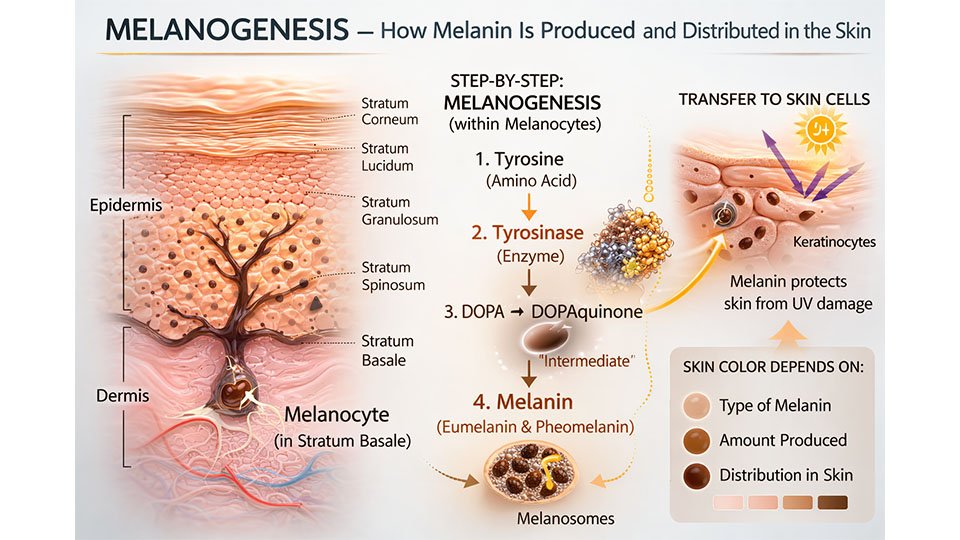
Niacinamide operates as a sophisticated interceptor. Unlike agents that focus solely on the initial production of pigment, Niacinamide works further down the line. It helps block the transfer of melanin from the melanocytes (where pigment is produced) to the keratinocytes (the cells that migrate to the skin's surface).

CUSKIN

Vitamin C+ Serum 20ml

$68.00 AUD

Shop →

Step 3: Clinical Exfoliation and Turnover

Healthy skin naturally renews itself through a turnover cycle that typically takes around 28 days. When this process slows or becomes disrupted, old skin cells accumulate on the surface. This buildup can make pigmentation appear darker and more noticeable. Korean skin treatment protocols focus on restoring this cycle through controlled clinical exfoliation that gently encourages renewal while protecting the skin barrier.

One approach involves the use of specialized peeling solutions designed to refine skin texture and improve overall tone. Treatments such as GA Peel (Glycolic Acid) help smooth and brighten uneven pigmentation, while SA Peel (Salicylic Acid) works to clear away impurities, excess oil, and dead skin cells that can leave the complexion looking dull.

Another option often incorporated is the AHA 30% & BHA 0.5% peel, a wash-off serum that dissolves unnecessary surface cells. By removing this buildup, the skin’s natural renewal process is supported, revealing a clearer and more even-looking complexion.

Rather than relying on aggressive heat-based technologies which can sometimes increase the risk of post-inflammatory hyperpigmentation (PIH); Korean treatment protocols frequently incorporate Pico-Toning laser technology.

The key difference lies in how the energy is delivered. Pico-toning emits ultra-short bursts of energy, producing a photoacoustic effect instead of a thermal one. This approach helps break down visible pigmentation while minimising heat within the skin.

To further support skin recovery and effectiveness of treatments, light therapy and ultrasound-based delivery systems are often used. The skin is first prepared with targeted serums that help calm redness and reduce irritation. These technologies then enhance penetration of active ingredients, allowing them to reach deeper layers of the skin while maintaining comfort and minimizing sensitivity.


Step 4: Support Skin Barrier Repair Throughout Treatment

The hallmark of the Korean method is that you never treat pigment at the expense of the barrier. A compromised barrier leads to inflammation, and inflammation is the "fuel" for melasma.

Korean skincare philosophy insists that barrier health and brightening treatment must happen in parallel, not in opposition. Incorporating a calming, hydrating serum or cream alongside your actives helps keep skin resilient and reduces the risk of post-inflammatory hyperpigmentation from irritation.

In practical terms, this means incorporating soothing barrier-support ingredients alongside actives. Ingredients such as panthenol, centella asiatica, and hydrating humectants are commonly used to support the skin while pigmentation treatments work in the background.

Many aesthetic clinics now take a similar approach when preparing clients for procedures such as chemical peels, IPL, or laser treatments. A short period of barrier-support skincare before treatment often using calming essences or moisturisers can help stabilise the skin, improve tolerance, and reduce the risk of treatment-related irritation.

CUSKIN

Vitamin U Ampoule Emulsion 130ml

$90.00 AUD

Shop →

When to Seek Professional Treatment

Topical skincare works best for mild-to-moderate melasma, and consistent use of the steps above can deliver meaningful improvement over weeks to months. However, it's important to set realistic expectations: some melasma is more stubborn and may not respond fully to over-the-counter products alone.

A dermatologist or skin specialist can help rule out other pigmentation conditions and tailor a treatment plan to your specific skin.

K-beauty methods and professional treatments aren't mutually exclusive, many people use both in combination for best results.


Step 5: The Non-Negotiable Final Step: Environmental Shielding

If the previous steps are about managing and intercepting pigment, the final step is about locking in those results. In the context of Korean clinical protocols, protection is not just a "bonus"; it is the foundation that allows all other actives to work.

Managing skin tone is incomplete without protecting the skin from UV-induced darkening. In Australia, we view the management of pigmented patches as a marathon, not a sprint. Without a dedicated final layer of protection, environmental triggers can quickly reverse the progress made previously with any treatment or actives.

Consistency is everything with Korean melasma treatment methods. Results typically become visible after eight to twelve weeks of daily use and they continue to improve with time.

K-Beauty tips in your inbox

Get personalised skincare advice

Join 500+ Australians who get weekly K-beauty routines and product picks.

Take the Skin Quiz →
JJ Cosmetic

Skin

JJ Cosmetic

Glen Iris, VIC

Signature — Facial Standard Hydration Treatment

Visit Clinic →

Final Thoughts

Melasma is a long-game concern, but the structured, barrier-respecting approach at the heart of Korean dermatologists philosophy and skincare makes it one of the most sustainable ways to address pigmentation without burning out your skin. By combining targeted brightening actives, daily SPF discipline, and consistent barrier support, you give your skin the best possible conditions to fade existing pigmentation and prevent new spots from forming.

If you're ready to start your Korean melasma treatment journey, remember, if you're unsure whether what you're dealing with is melasma or another pigmentation condition, a quick dermatologist check-in is always worth it.

Exclusive CUSKIN Distributor

Shop CUSKIN Australia

Korean derma-cosmetics shipped from Sydney

Browse Products →
S

Written by

Suzy

Passionate in finding safe ingredients for sensitive skin

Comments

Loading comments…

Leave a comment

Share this post

Free · 2 minutes

What does your skin need?

Get a personalised K-beauty routine sent to your inbox.

Take the free quiz →