Korean Glass Skin Facial vs Barrier Repair Facial: Which One Does Your Skin Actually Need?
Glass skin and barrier repair facials are often talked about in the same breath but they serve opposite skin states. Getting one when you need the other doesn't just fail to help; it can actively set your skin back. Here's how to read what your skin is actually telling you right now.
The truth behind glow vs skin health
Scroll through any Korean beauty feed and you’ll see two treatments everywhere in 2026: the luminous glass skin facial and the calming barrier repair facial.
They sound equally appealing and realistically, most people want both.
But here’s the problem.
Applying a glass skin protocol to compromised skin is like polishing a cracked window. The glow may appear temporarily, but it won’t last and in many cases, it can make the skin feel more reactive over time.
This is where Korean skincare differs.
Instead of asking “how do we make skin glow?” It asks: “is the skin functioning well enough to glow naturally?”
Korean skincare philosophy: function before results
In Korean clinical skincare, appearance is always a reflection of function.
Rather than pushing fast results through aggressive exfoliation or strong actives, treatments are designed to:
- Support skin barrier function
- Maintain hydration balance
- Improve long-term skin tolerance
This is why professional Korean skincare used in clinic environments often prioritises restoring the skin first, before enhancing visible radiance.
 ---
---
What is a Korean Glass Skin Facial?
A Korean glass skin facial is designed to enhance:
- Surface smoothness
- Light reflection
- Hydration levels
- Overall clarity
It typically involves:
- Gentle exfoliation using low-irritation acids (PHA or LHA)
- Layered hydration through toners, essences, and ampoules
- Ingredients such as niacinamide, peptides, and hyaluronic acid
The result is skin that appears more refined, luminous, and evenly toned. However, this type of facial performs best when the skin is already stable.
What is a Barrier Repair Facial?
A barrier repair facial focuses on restoring the skin’s protective function especially when the skin appears:
- Sensitive or reactive
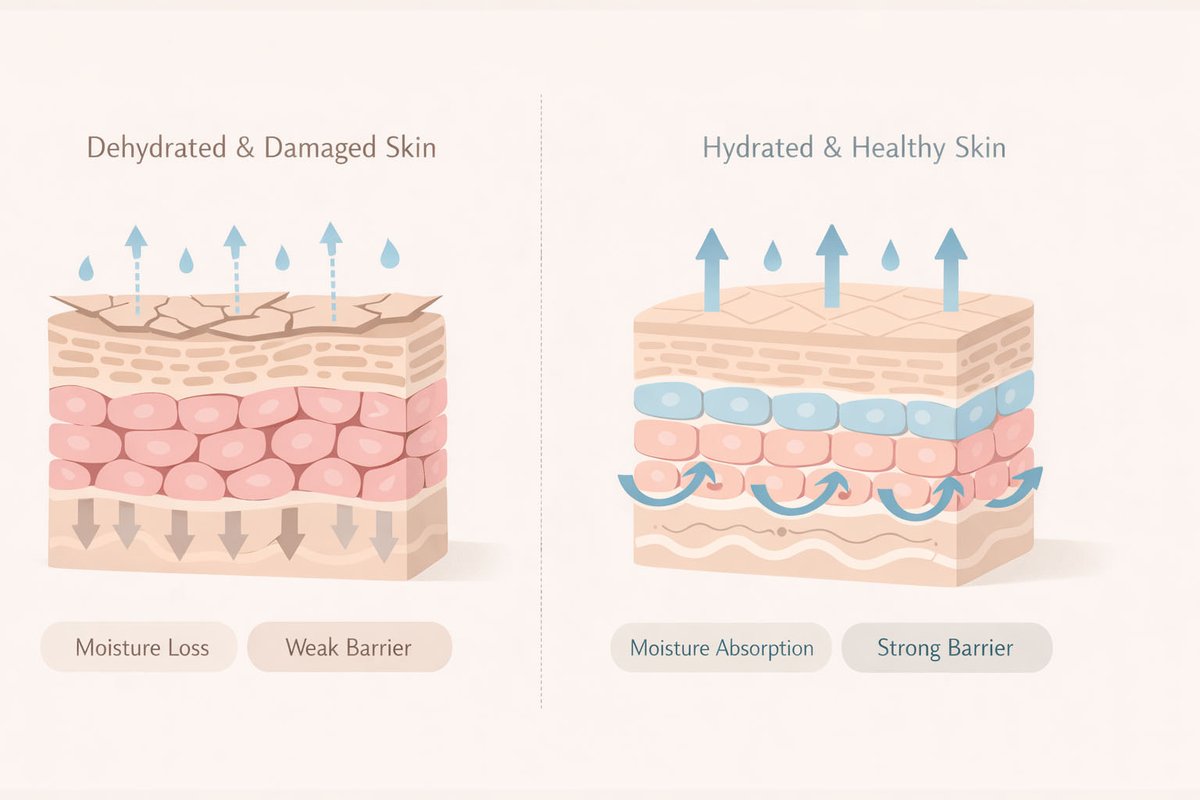
- Dehydrated
- Tight or uncomfortable
- Visibly dull despite using skincare
Instead of chasing immediate glow, the treatment prioritises:
- Centella Asiatica / Madecassoside to help calm the appearance of redness
- Panthenol (Vitamin B5) to support hydration and comfort
- Ceramides to support the skin barrier function
- Multi-weight Hyaluronic Acid to deliver layered hydration
The result is not instant radiance but something more important: skin that feels balanced, resilient, and able to retain moisture.
Why most people choose the wrong facial
One of the most common mistakes is treating visible dullness as a surface issue.
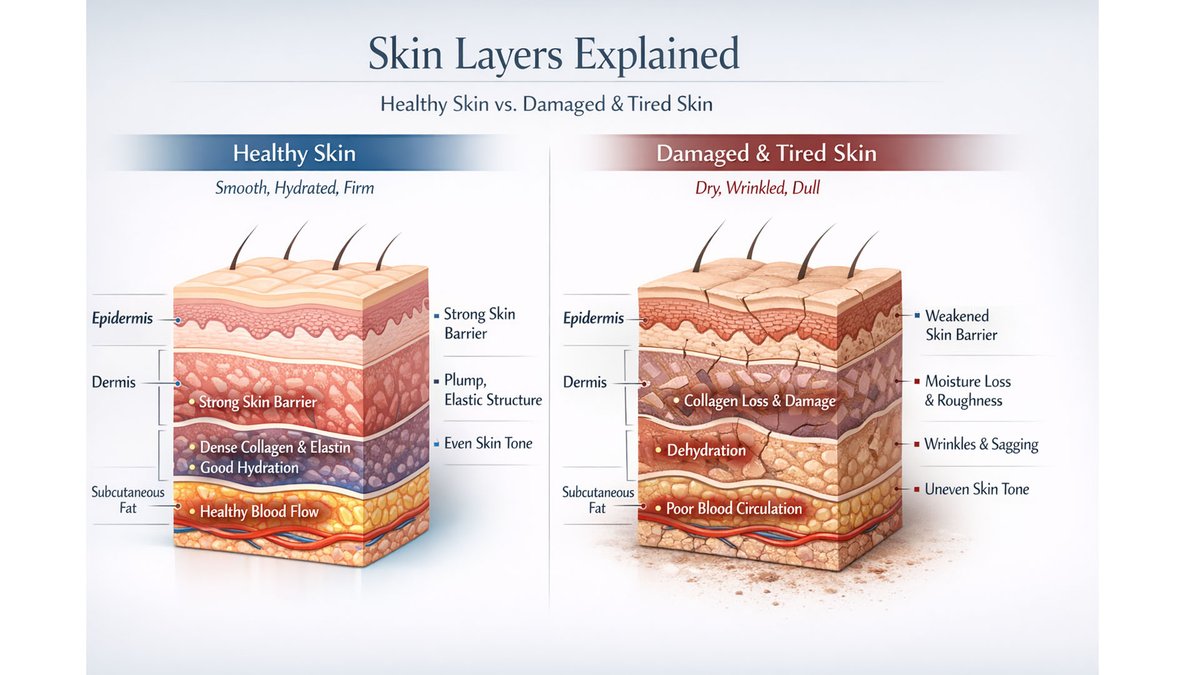
In reality, dullness, rough texture, and even early signs of “sagging” are often linked to:
- Dehydration
- Barrier stress
- Reduced skin efficiency
When the barrier is compromised, even high-quality products struggle to perform effectively.
This is why many clients feel like:
“I’m using good skincare, but my skin still doesn’t look better.”
In these cases, barrier repair is not optional it’s foundational.
 ---
---
How to tell what your skin actually needs
Choose a Glass Skin Facial if:
- Your skin feels comfortable and stable
- You rarely experience stinging or irritation
- You want to enhance glow and refinement
Choose a Barrier Repair Facial if:
- Your skin feels tight or easily irritated
- You experience redness, sensitivity, or unpredictability
- Your skin looks dull despite consistent skincare
A useful rule:
**If your skin feels reactive, it is not ready for glow-focused treatments yet.
Ingredient synergy: the Korean approach
Unlike Western skincare, which often focuses on single strong actives, Korean skincare is built on layering compatible ingredients.
For example:
- Hyaluronic acid hydrates across multiple levels
- Panthenol improves moisture retention
- Ceramides help maintain hydration within the skin
- Centella supports a calmer skin appearance
Together, they create an environment where the skin can function optimally making visible results more consistent and longer-lasting.
Professional vs at-home approach
At-home skincare can support maintenance, but it often lacks:
- Controlled ingredient layering
- Precision in delivery
- Clinical-strength formulations
Professional Korean treatments are designed to work with the skin’s condition in real time, adjusting hydration and barrier support based on what the skin needs.
Why clinics are shifting toward barrier-first treatments
More clinics are moving away from aggressive, short-term treatments toward approaches that prioritise:
- Skin stability
- Low irritation
- Progressive results
Barrier-first protocols allow practitioners to:
- Reduce sensitivity risk
- Improve treatment outcomes over time
- Build long-term client trust
This reflects a broader shift in K-beauty: from quick fixes to skin longevity.
The bottom line: glow is a result, not a starting point
Glass skin is not created through intensity, it is revealed through balance.
When the skin barrier is supported, hydration is maintained, and irritation is minimised, the skin naturally appears:
- Clearer
- Smoother
- More luminous
So the real question isn’t:
“Which facial is better?”
It’s:
“What does my skin need first?”
Shop the routine at kbeautyau.com and let us know in the comments are you a glass skin chaser or a barrier-support devotee right now?