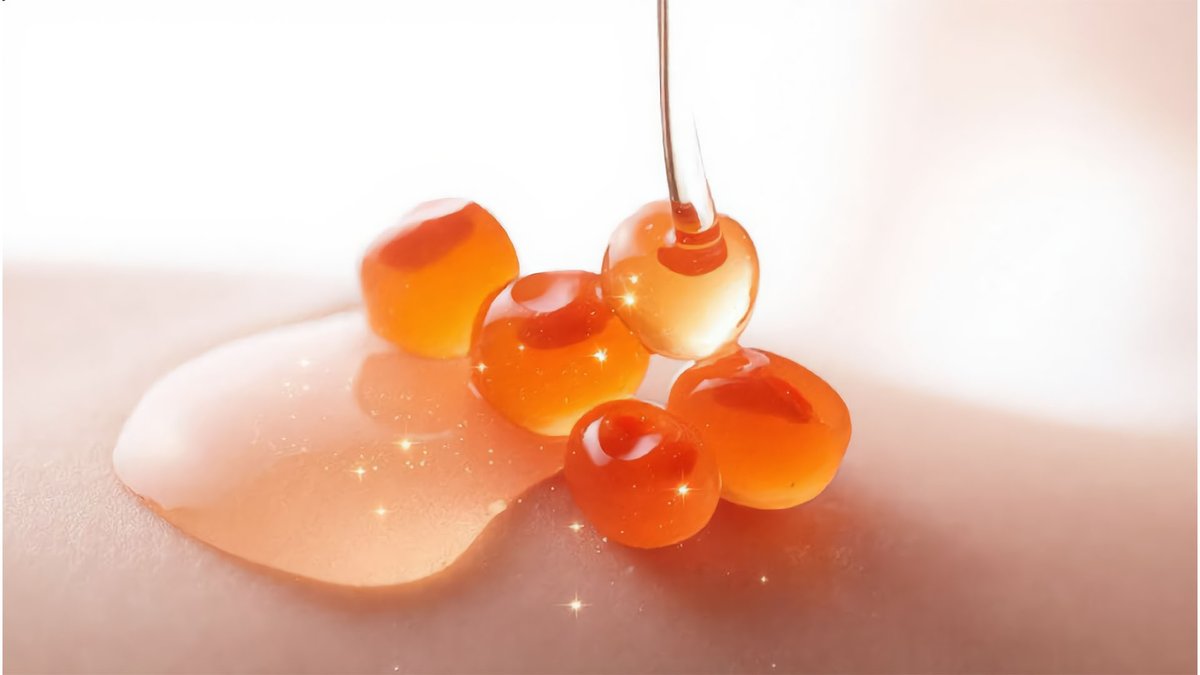
PDRN Skincare: The Korean Clinic Ingredient Changing Skin Renewal
While Australian skincare was still debating retinol, Korean dermatology clinics had already spent a decade building treatment protocols around something entirely different. PDRN doesn't stimulate the skin aggressively from the outside. It works with the skin's own cellular environment to support renewal from within and the results hold up to scrutiny.
What Is PDRN?
There is a moment in many skincare journeys when the standard actives stop feeling like enough. The barrier has been repaired, the routine is consistent, and yet something deeper, a certain resilience, a quality of renewal, remains out of reach. For many Koreans, that moment led to the clinic. And in the clinic, more often than not, it led to PDRN.
PDRN, or Polydeoxyribonucleotide, is a bioactive compound derived from salmon DNA. It has been used in Korean dermatological and aesthetic clinic settings for years, prized for its ability to support the skin's natural recovery processes without triggering the kind of irritation that more aggressive actives can produce. What began as an ingredient exclusive to professional treatment protocols has evolved into one of the most sought-after actives in clinical-grade skincare formulations, reshaping what both consumers and clinic owners expect from advanced skin renewal.
Understanding PDRN properly, however, requires understanding the Korean approach to skin renewal. It is not simply an ingredient. It is a philosophy applied at the molecular level.
Please note: Topical PDRN is an emerging ingredient category with limited peer-reviewed evidence compared to injectable formulations. Preliminary evidence and manufacturer claims suggest promising results, but research is ongoing and results may vary.
The Korean Clinical Philosophy Behind PDRN
Korean skincare has long distinguished itself by its focus on the skin's internal conditions rather than its surface appearance alone. Where Western approaches have historically favoured visible correction, brightness from acids, smoothness from physical exfoliation, volume from fillers, Korean clinical skincare has concentrated on optimising the environment in which skin cells function.
This means prioritising barrier integrity, cellular communication, and long-term resilience over rapid but temporary results. PDRN fits precisely within this framework. Rather than forcing a visible change at the surface, it works at a deeper biological level, supporting the conditions under which the skin can renew itself more effectively.
It is this distinction that separates PDRN from the category of "corrective" ingredients and places it firmly in the category of "restorative" ones. The skin is not being pushed. It is being supported. And in Korean dermatology, both in the clinic and in the formulation lab, this is considered a far more sophisticated approach.
How PDRN Works in the Skin
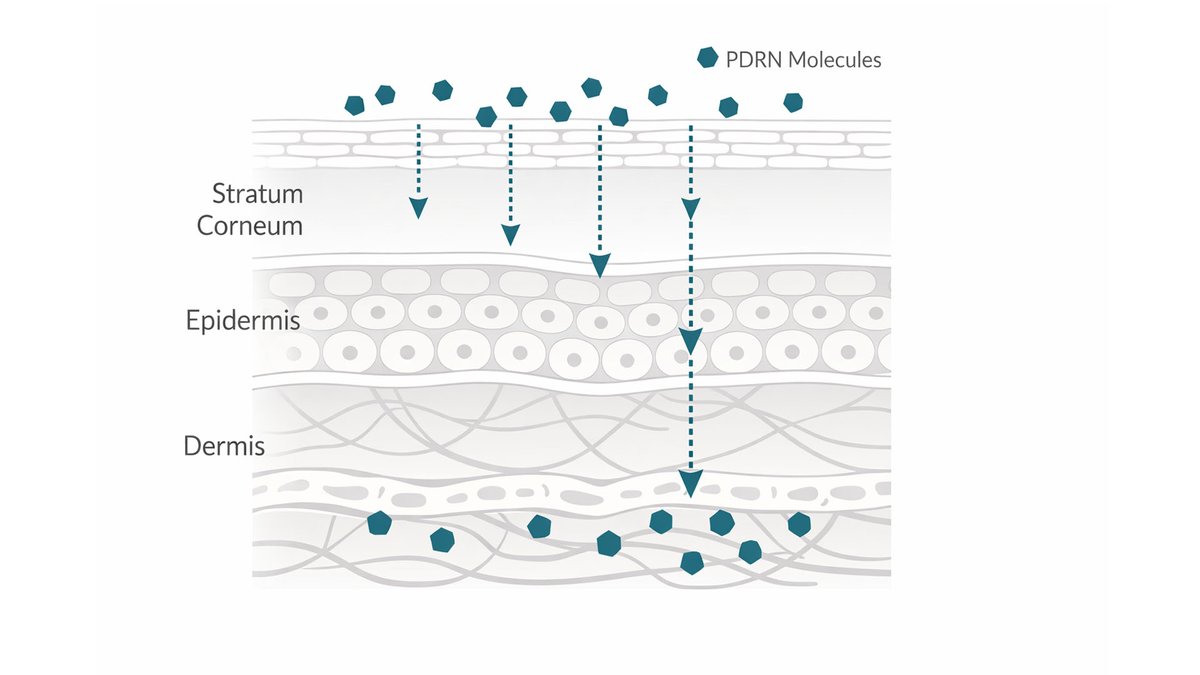
PDRN is composed of short chains of DNA fragments, specifically, fragments that closely match the molecular structure found in human cells. This structural similarity is part of what makes PDRN so well tolerated, even by skin that has become reactive or sensitised.
When applied topically in a well-formulated product, PDRN is understood to interact with receptors involved in cellular activity, supporting the skin's natural cycle of repair and regeneration. In practical skincare terms, this translates into skin that appears firmer over time, with improved texture, a more even tone, and a reduction in the appearance of dullness or fatigue.
It is important to note that PDRN is not a retinoid. It does not accelerate cell turnover in the way that vitamin A derivatives do. There is no purging phase, no obligatory period of dryness or sensitivity. For clients who have previously reacted to more aggressive renewal ingredients, this is one of PDRN's most significant clinical advantages.
PDRN has also been associated with a supportive effect on the skin's overall recovery capacity, making it particularly relevant in the context of compromised or post-procedure skin. This is precisely why it has earned such a strong foothold in professional aesthetic practice in Korea, and why it is now being incorporated into clinic treatment protocols and professional-grade skincare formulations across Australia.
 ---
---
PDRN and Bakuchiol: Why K-Beauty Pairs Them
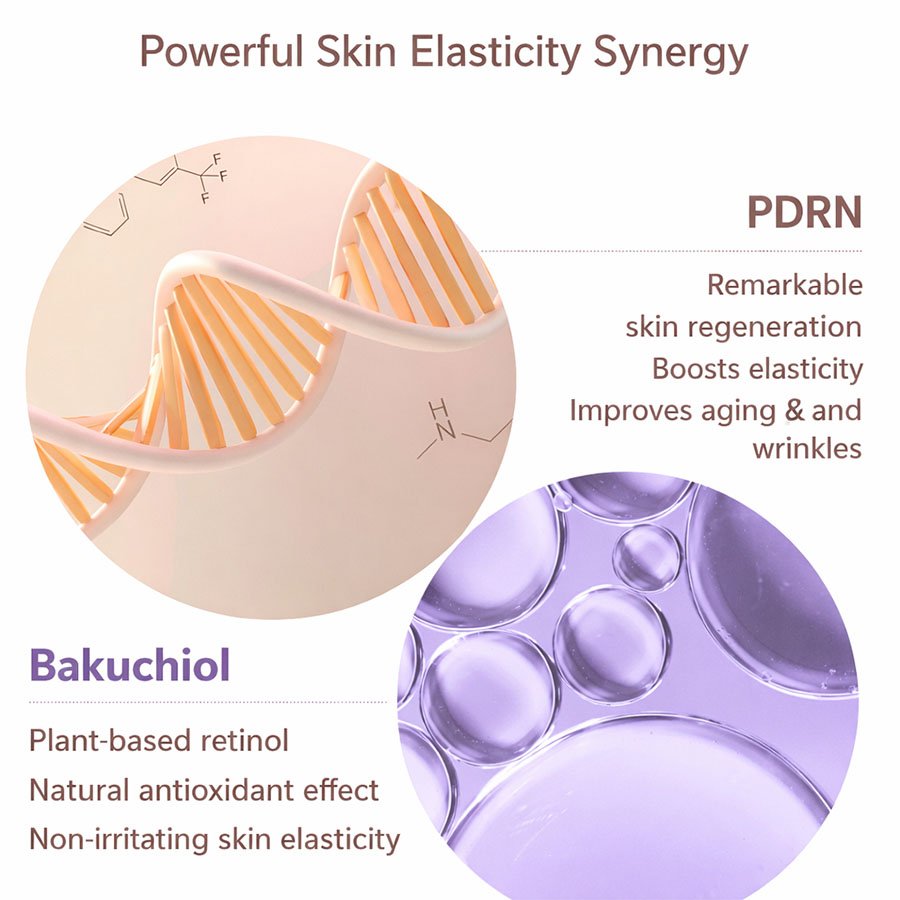
One of the more sophisticated choices in modern Korean formulation is the pairing of PDRN with bakuchiol, a plant-derived active that has attracted considerable attention for its ability to support firmer, more refined-looking skin without the irritation profile of conventional retinoids.
Bakuchiol works through a different pathway to PDRN, but the two share a common philosophy: gentle, sustained renewal rather than aggressive correction. Bakuchiol supports the appearance of skin firmness and helps improve the look of fine lines and uneven texture, while remaining suitable for sensitive or reactive skin types. When combined with PDRN, the result is a formulation that addresses multiple dimensions of skin renewal simultaneously, without stacking the kind of harsh actives that can destabilise the barrier.
This pairing reflects the K-beauty principle of layered efficacy: achieving more by working with the skin's natural processes rather than against them. Products such as CUSKIN's Dr.Solution PDRN Bakuchiol Ampoule embody this approach, combining both actives in a format designed for professional-level results, whether used within a clinic treatment protocol or as part of a structured daily skincare routine.
It is also worth noting that bakuchiol is fully compatible with sun exposure, unlike many conventional renewal ingredients, making it a highly practical choice in the Australian context, where sun protection is a non-negotiable part of any responsible skincare philosophy.
Note: Efficacy of PDRN formulations can vary depending on concentration, so we recommend checking the full ingredient list on packaging.
 ---
---