← All postsAnti-aging

Bakuchiol: The Korean Retinol Alternative for Sensitive Skin

B

Written by

Beauty Editor

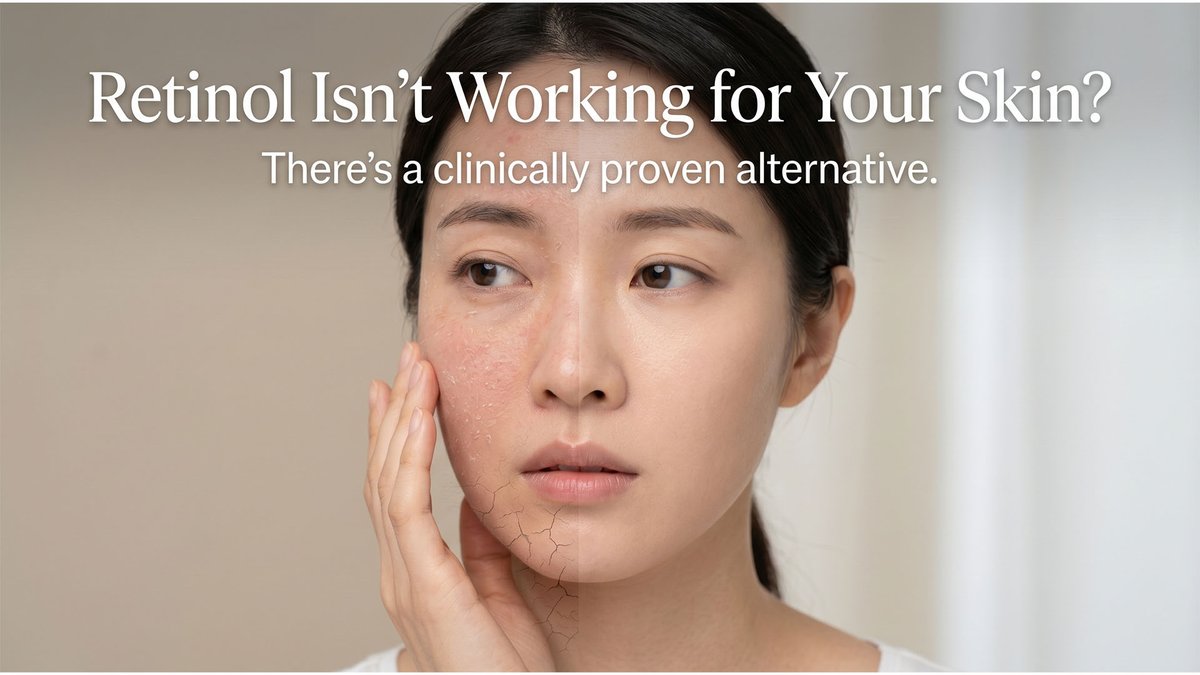
Retinol has long been held up as the gold standard in anti-ageing skincare, but for sensitive skin it can do more harm than good. Korean dermatology has quietly championed bakuchiol as a gentler, clinically relevant alternative, and the science behind it is more compelling than many expect.

19 April 2026·13 min read·
Bakuchiol: The Korean Retinol Alternative for Sensitive Skin

Not sure your skin type? Take our free 2-minute quiz.

Start quiz →

Bakuchiol: The Korean Retinol Alternative for Sensitive Skin

Retinol has long been held up as the gold standard in anti-ageing skincare, but for sensitive skin it can do more harm than good. Korean dermatology has quietly championed bakuchiol as a gentler, clinically relevant alternative and the science behind it is more compelling than many expect.


What Is Bakuchiol?

There is a particular frustration that many people know well. You invest in a retinol product because every article, every aesthetician, and every beauty editor seems to agree that it is the ingredient for anti-ageing. You use it consistently, as instructed. And within days, your skin is red, flaking, and more reactive than it was before you started. You push through, hoping your skin will adjust. Often, it doesn't quite get there or it does, only to have the sensitivity return with any life disruption: stress, sun, a missed night of sleep.

Bakuchiol is an ingredient that Korean dermatologists have been reaching for precisely because this scenario is so common. Extracted from the seeds and leaves of the Psoralea corylifolia plant (known as babchi), bakuchiol is a naturally derived compound that has been used in traditional Ayurvedic and Chinese medicine for centuries. In its modern clinical context, it has been studied extensively for its ability to support firmer-looking skin, improve the appearance of fine lines, and promote a more even skin tone without the irritation profile that makes conventional retinol inaccessible to so many.

This article unpacks what bakuchiol actually does in the skin, why the Korean clinical approach to using it produces such consistent results, and what to look for when choosing a formulation that works as part of both a daily routine and a professional treatment protocol.


The Korean Clinical Philosophy Behind Bakuchiol

Korean dermatology operates from a philosophy that is worth understanding before considering any single ingredient. Where much of Western anti-ageing skincare has historically favoured aggressive actives, high-strength retinoids, intense exfoliation, rapid cell turnover — Korean clinical practice places barrier integrity at the centre of every protocol. The skin is treated as an ecosystem that must be supported, not pushed into compliance.

This is not a conservative approach, nor a less effective one. It reflects decades of clinical observation showing that a healthy, intact skin barrier responds better to active ingredients, retains the results of professional treatments for longer, and ages more gracefully over time. An irritated, compromised barrier, by contrast, is more reactive, less able to retain moisture, and more susceptible to environmental damage — none of which supports long-term skin health.

Bakuchiol fits this philosophy precisely. It offers meaningful anti-ageing activity without triggering the barrier disruption that retinol so frequently causes. For Korean skin clinics working with clients who have reactive, post-procedure, or otherwise sensitive skin, this makes it a strategic choice: the results are clinically relevant, and the recovery burden on the skin is minimal.


How Bakuchiol Works in the Skin

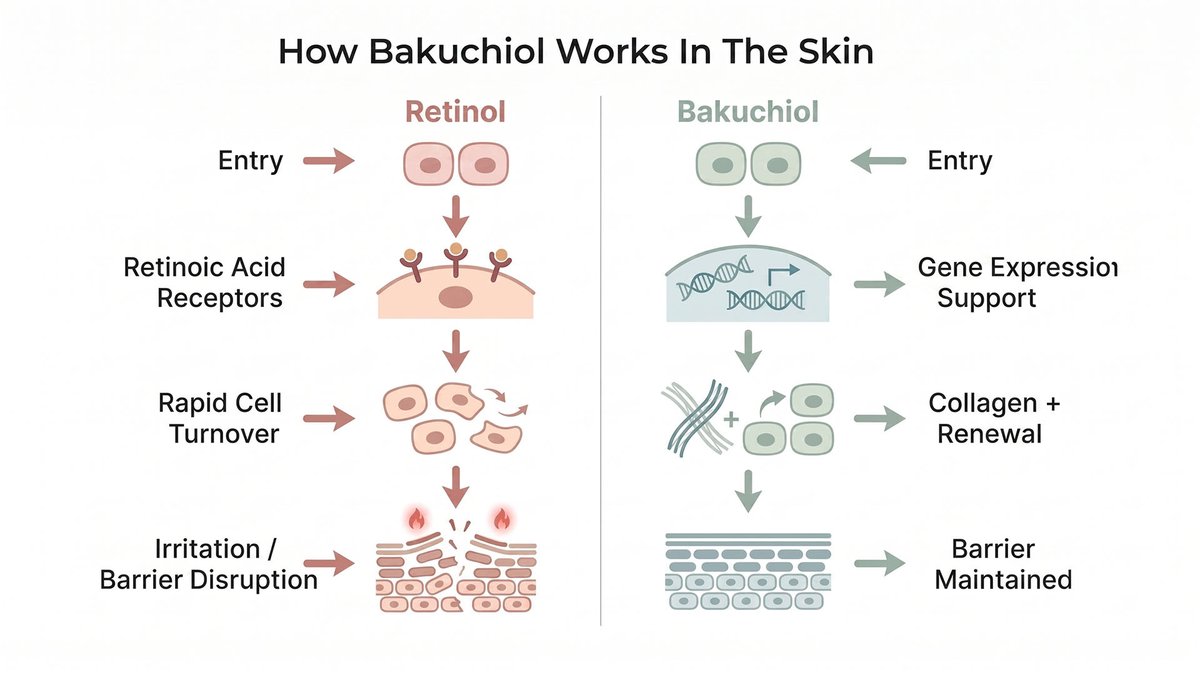
The reason bakuchiol attracts serious clinical attention is not simply that it is "gentle". It is that it appears to interact with the same cellular pathways that retinol acts on, while doing so without the characteristic side effects.

Retinol works by binding to retinoic acid receptors in the skin, triggering a cascade that includes accelerated cell turnover, increased collagen synthesis, and improved pigmentation regulation. This mechanism is effective, but the speed and intensity of the process is also what causes the peeling, sensitivity, and photosensitivity commonly associated with retinoid use. Bakuchiol has been observed in published clinical research to support similar gene expression in skin cells, including genes associated with collagen production and the regulation of skin renewal processes, but through a functionally different mechanism that does not depend on direct retinoic acid receptor binding.

In practical terms, this means bakuchiol supports firmer-looking skin and helps improve the appearance of fine lines and uneven skin tone, without triggering the disruption to the stratum corneum that makes retinol difficult for sensitive skin types to tolerate. It is also notably stable in daylight, which makes it compatible with morning as well as evening use, a meaningful advantage for clients in Australia, where sun exposure is a daily consideration in any skincare protocol.

Bakuchiol also carries antioxidant and soothing properties, which further support skin barrier function rather than working against it. In formulations that also include hyaluronic acid, PDRN, or ceramides, its activity becomes part of a layered approach to skin renewal that addresses multiple concerns simultaneously.
---

Bakuchiol and PDRN: A Layered Anti-Ageing Pairing

In Korean professional skincare, bakuchiol is rarely used in isolation. The most clinically considered approach pairs it with ingredients that target complementary aspects of skin ageing, creating a protocol where each layer of actives supports the work of the others.

PDRN (polydeoxyribonucleotide), derived from salmon DNA, has become one of the most respected ingredients in Korean aesthetic medicine. Originally used in injectable form in clinical settings, it is now formulated into topical ampoules where it supports the skin's natural renewal processes and helps improve the appearance of damaged, fatigued, or post-procedure skin. When paired with bakuchiol, PDRN addresses skin recovery and tissue support, while bakuchiol contributes to firmer-looking skin and improved surface renewal without the need for more disruptive actives.

This combination is particularly well suited to Australian skin in clinic contexts. Clients who are recovering from laser, microneedling, or other resurfacing procedures often cannot tolerate conventional retinol during or immediately after treatment. Bakuchiol and PDRN together provide a protocol that continues to support skin improvement throughout the recovery period, extending the value of professional treatments without introducing unnecessary irritation risk.
CUSKIN

Dr.Solution PDRN Bakuchiol Ampoule 35ml

$78.00 AUD

Shop →

Who Is Bakuchiol Best For?

The most obvious answer is anyone who has tried retinol and found it too irritating. But bakuchiol's suitability extends well beyond that group, and understanding who benefits most helps clarify why it has earned such consistent clinical endorsement.

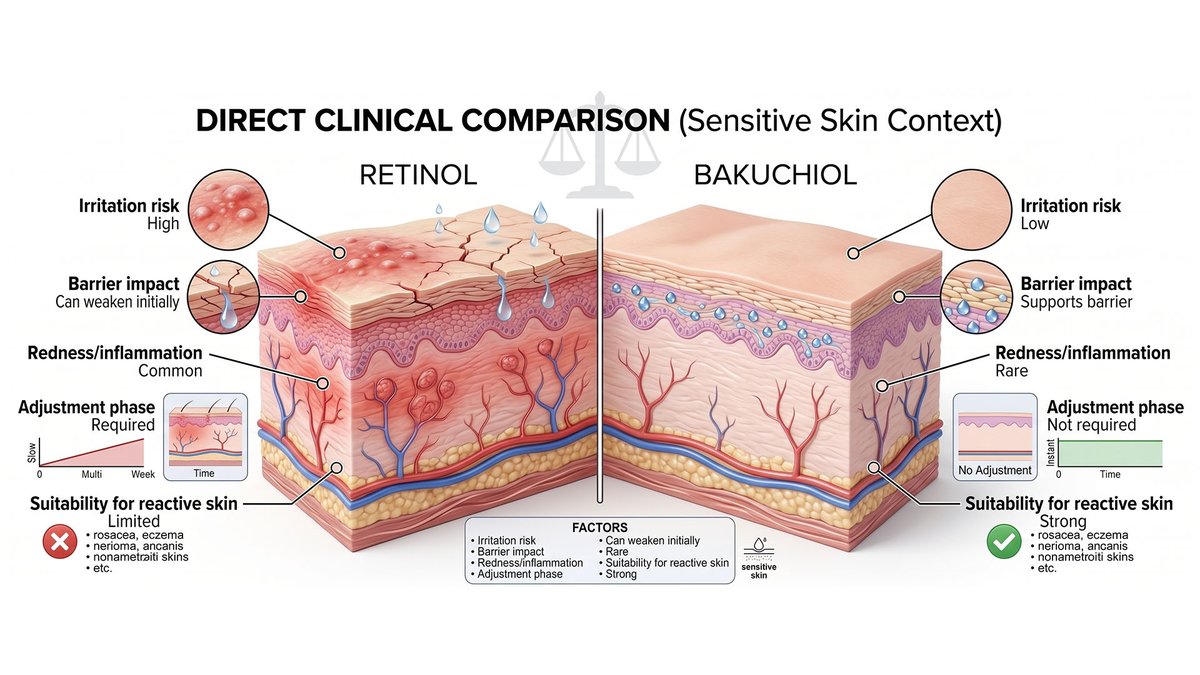
Those with sensitive or reactive skin are the clearest candidates. Whether sensitivity is constitutionally driven as is often the case with rosacea-prone or thin-skinned individuals or whether it has developed over time through over-exfoliation or environmental stress, bakuchiol offers a pathway to meaningful anti-ageing support that does not exacerbate underlying reactivity.

Post-procedure clients are equally important. In a clinic context, the weeks immediately following laser resurfacing, chemical peels, or injectable treatments are a period where the skin is in a state of active recovery. Conventional retinoids are typically contraindicated during this time. Bakuchiol provides clinics with an option that supports the skin's natural renewal processes during recovery, helping to maintain treatment momentum without the risk of setback.

Clients who are pregnant or breastfeeding and wish to continue supporting their skin during that period often find that bakuchiol is a more compatible option than conventional retinoids, though they should always discuss ingredient use with their treating practitioner.

Finally, those who are new to active skincare and want to build a meaningful routine without the trial-and-error discomfort of retinol adaptation will find bakuchiol a genuinely compelling starting point.


Common Mistakes with Bakuchiol

The first mistake is treating bakuchiol as a lesser option, something to use only when retinol is not tolerated, and then abandoning it as soon as the skin seems to "handle" stronger actives. This underestimates bakuchiol's clinical relevance. Published comparisons have found that bakuchiol produces comparable improvements in the appearance of fine lines and skin texture to low-dose retinol over a 12-week period, with significantly lower rates of skin irritation. It is not a consolation prize. For many skin types and life stages, it is simply the better clinical choice.

The second mistake is using bakuchiol inconsistently and then concluding it doesn't work. Like most actives that support the skin's natural renewal processes, bakuchiol requires consistent application over several weeks before results in the appearance of the skin become evident. Applying it twice, stopping when nothing dramatic happens in the first fortnight, and moving on to the next trending ingredient is a pattern that reliably produces no results with any ingredient. In clinic contexts, this is particularly worth communicating to clients who are accustomed to the more immediate effects of resurfacing treatments.

The third mistake, most relevant in a professional setting, is omitting SPF from the morning protocol for clients using bakuchiol. While bakuchiol is stable in daylight and does not cause the photosensitivity associated with retinoids, any skincare protocol focused on improving the appearance of fine lines, pigmentation, and skin texture is undermined by unprotected sun exposure. In Australia, where UV intensity is among the highest in the world for a significant portion of the year, consistent, high-protection SPF use is not optional, it is a non-negotiable component of any anti-ageing protocol.


Bakuchiol by Skin Concern

Ageing skin. For clients focused on improving the appearance of fine lines, loss of firmness, and uneven skin tone, bakuchiol offers meaningful activity without the disruption that makes conventional retinoids difficult to sustain long-term. Paired with peptides and hyaluronic acid, it forms part of a layered protocol that supports firmer-looking, more consistently healthy skin over time. Both consumers building a daily routine and clinics supporting long-term client outcomes will find this pairing clinically relevant.

Sensitive and reactive skin. Bakuchiol is one of the few anti-ageing actives that does not inherently compromise barrier function. For skin that is already reactive, whether due to rosacea, thin skin, or previous over-treatment; its antioxidant and soothing properties make it a compatible active that supports skin improvement without adding to the inflammatory burden. Formulations that include centella asiatica or panthenol alongside bakuchiol amplify this benefit.

Post-treatment recovery. In the weeks following professional procedures, the skin requires support that encourages renewal without triggering further inflammation. Bakuchiol fits this window precisely, and when combined with PDRN in a professional-grade ampoule, it provides clinics with a credible post-procedure maintenance protocol that clients can maintain between sessions. This is one of bakuchiol's most strategically valuable applications in a clinic retail context.

Dull and fatigued skin. Skin that lacks radiance and appears flat or texturally uneven often benefits from gentle support of the skin's natural renewal processes rather than aggressive exfoliation. Bakuchiol, used consistently alongside a multi-weight hyaluronic acid serum, helps improve the appearance of skin clarity and texture over time while maintaining the moisture balance that fatigued skin typically needs most.


In the Clinic and Beyond

In injectable aesthetics, bakuchiol has found a natural role in the topical maintenance phase of anti-ageing protocols. Clients who receive Rejuran, polynucleotide injectables, or other regenerative injectable treatments are in an active period of skin support and renewal. The topical continuation of that effort, through a formulation that pairs PDRN with bakuchiol, extends the clinical benefit of the procedure and provides clients with a structured, credible protocol for the weeks between appointments.

For skin clinics and aesthetic practices, this matters for two reasons. The first is purely clinical: topical maintenance of injectable treatment results is something Korean aesthetic medicine has always emphasised, and clients who follow structured post-treatment protocols consistently achieve better sustained outcomes. The second is commercial: offering a professional-grade topical protocol as a complement to injectable services deepens the clinic's clinical authority, supports client retention, and creates a natural retail revenue stream that is aligned with the treatment itself.

Korean professional skincare brands formulated specifically for clinic use, such as CUSKIN, approach bakuchiol formulations with this dual-use context in mind. The result is products that are appropriate for use in a treatment room setting and rigorous enough to form the backbone of a between-treatment maintenance protocol without requiring clients to navigate a complicated multi-step system on their own.

https://kbeautyau.com/blog/korean-dermatologist-approach-to-post-procedure-skin-care


Why Clinics Prefer Bakuchiol

For clinic owners and skin therapists building a retail offering, bakuchiol addresses a practical challenge that retinol-based products consistently create: client drop-off due to irritation. When a client purchases a retinol product on a clinic's recommendation and experiences peeling, redness, or increased sensitivity, the outcome is rarely a confident return to the clinic. More often, the client quietly stops using the product, stops trusting the recommendation, and becomes more cautious about any product suggestion that follows.

Bakuchiol eliminates this risk. Its tolerability across skin types means that clients are far more likely to use it consistently, complete a full product cycle, and return for replenishment. This is the retention dynamic that supports a sustainable retail operation within a clinic, rather than a one-time transaction.

For skin therapists, bakuchiol is also straightforward to layer within existing protocols. It is compatible with niacinamide, hyaluronic acid, ceramides, and PDRN, meaning it integrates cleanly into both professional treatment sequences and client take-home routines without the ingredient interaction concerns that retinol requires careful management around.

From a clinical positioning perspective, offering bakuchiol as part of a Korean-formulated professional range also communicates something meaningful to clients: that the clinic's approach is considered, evidence-informed, and attentive to skin health rather than simply trend-driven. That is a positioning that builds long-term trust and differentiates a clinic in a competitive market.

https://kbeautyau.com/blog/pdrn-skin-treatment-before-during-and-after


Routine Building the Korean Way

Morning: Begin with a gentle, non-stripping cleanser to prepare the skin without disrupting its natural moisture balance. Follow with a hydrating toner or essence to prime the skin for actives. Bakuchiol, stable in daylight, can be applied at this stage as a serum or ampoule. Layer hyaluronic acid over or under, depending on the formulation weight. Finish with a moisturiser that supports barrier function, and always follow with a broad-spectrum SPF. In the Australian climate, SPF 50+ is the appropriate standard year-round.

Evening: Cleanse thoroughly to remove sunscreen, environmental exposure, and any makeup. Apply a PDRN and bakuchiol ampoule as the active treatment step, allowing it to absorb fully before layering additional serums if needed. Seal with a ceramide-rich or barrier-supportive moisturiser. In drier months or for more dehydrated skin types, a few drops of a facial oil over the moisturiser can help prevent overnight moisture loss.


The Bottom Line

What makes bakuchiol genuinely compelling is not that it is a safe option for sensitive skin, though it is. It is that it delivers meaningful, clinically observed improvement in the appearance of fine lines, skin firmness, and tone — with a tolerability profile that most clients can sustain long-term, regardless of skin type or life stage. That combination is rarer in anti-ageing skincare than the industry often implies, and it is why bakuchiol has moved from niche botanical curiosity to a cornerstone of Korean clinical formulation.

For clinic owners, bakuchiol represents one of the most commercially and clinically coherent retail propositions available. It addresses a genuine client need, it integrates cleanly into existing treatment protocols, it carries a low risk of client-side problems, and it supports a retail relationship built on consistent use and genuine results. The conversation around bakuchiol is not difficult to have with a client — the science is clear, the ingredient story is compelling, and the outcome is reliably positive.

Korean skincare has long understood that the most sophisticated approach to skin ageing is one that works with the skin's natural processes rather than against them. Bakuchiol embodies that understanding precisely. It is an ingredient that has earned its place in both the clinic and the daily routine — not because it avoids the hard work of anti-ageing, but because it does that work without asking the skin to pay too high a price for it.

K-Beauty tips in your inbox

Get personalised skincare advice

Join 500+ Australians who get weekly K-beauty routines and product picks.

Take the Skin Quiz →

CUSKIN

Dr.Solution PDRN Bakuchiol Cream 50ml

Shop →

Exclusive CUSKIN Distributor

Shop CUSKIN Australia

Korean derma-cosmetics shipped from Melbourne

Browse Products →
B

Written by

Beauty Editor

I’m a clinical aesthetic consultant with a deep focus on Korean skincare formulation and treatment protocols. My approach is rooted in barrier-first skin health, where ingredient synergy and long-term skin resilience matter more than quick fixes. Through this platform, I share insights drawn from clinic-based skincare, translating complex K-beauty principles into routines that are both effective and sustainable. My goal is to help you understand not just what to use, but why it works so you can make more confident, informed decisions about your skin.

Comments

Loading comments…

Leave a comment

Share this post

Free · 2 minutes

What does your skin need?

Get a personalised K-beauty routine sent to your inbox.

Take the free quiz →