← All postsIngredients

PRF Treatment Aftercare: The Korean Clinical Approach to Recovery

S

Written by

Suzy

After a PRF treatment, what you apply in the first 72 hours will either support or undermine your results. Here is the Korean clinical approach to recovery, and why ingredient choice in the post-procedure window matters more than most patients realise.

11 May 2026·8 min read·
PRF Treatment Aftercare: The Korean Clinical Approach to Recovery

Not sure your skin type? Take our free 2-minute quiz.

Start quiz →

PRF Treatment Aftercare: The Korean Clinical Approach to Recovery

The 72 hours after a PRF treatment are more important than most patients realise. Your skin has just been put through a controlled injury process. The results you are expecting, firmer-looking skin, improved texture, a more luminous complexion are not delivered in the treatment room. They are built in the days that follow, by your skin's own biology. What you apply to your face during that window will either support that process or get in the way of it.

This is where Korean clinical skincare has a meaningful edge. The post-procedure recovery protocols developed in Korean dermatology clinics are built around a discipline that Western skincare culture often undervalues: doing less, but doing it precisely. The right two or three ingredients, chosen for their compatibility with sensitised skin, can protect and extend the results of a PRF treatment in ways that a full routine of active ingredients simply cannot.

What Happens to Your Skin After PRF & Why Recovery Matters

Platelet-rich fibrin works by concentrating your own platelets and fibrin, then delivering them back into the skin through micro-injections or in combination with procedures like skin needling. The response this triggers supports tissue renewal, promotes firmer-looking skin over time, and improves overall skin quality. It is a biological process, not an instant one.

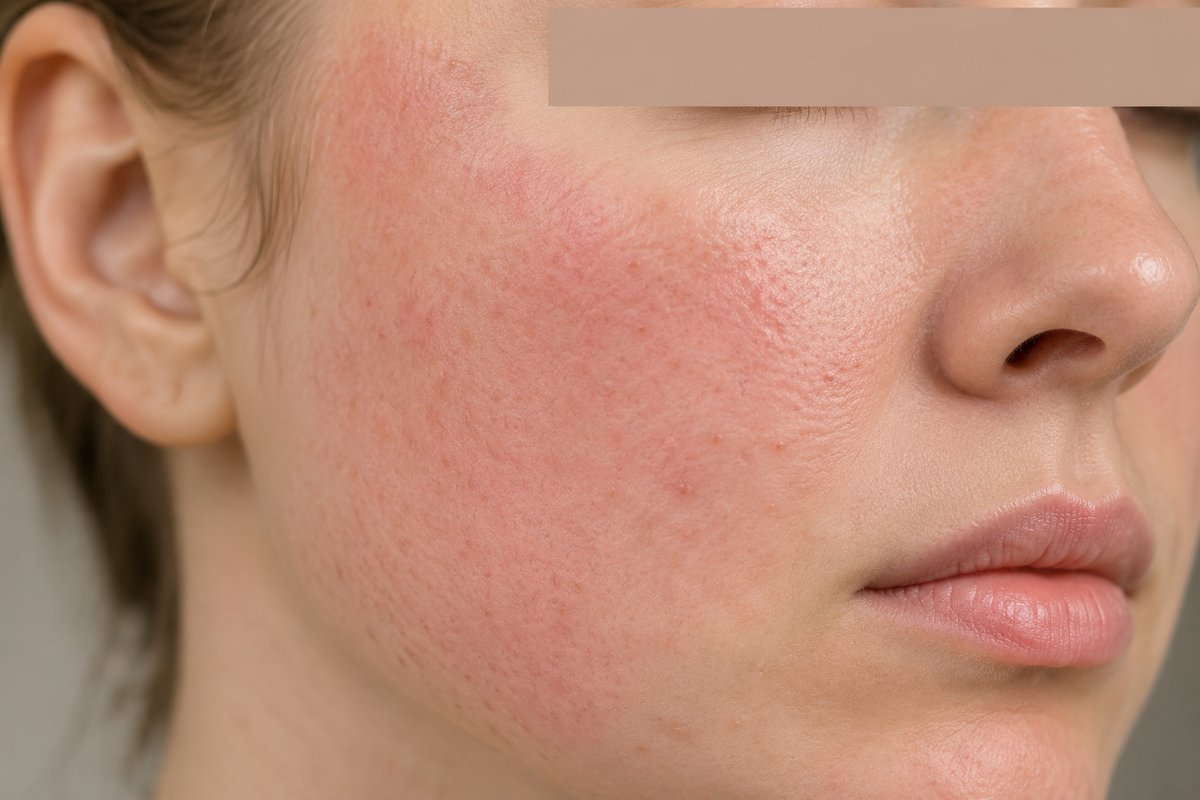
In the immediate aftermath, the skin will typically show redness, mild swelling, and sensitivity lasting anywhere from 24 to 72 hours. More importantly, the skin barrier, the protective seal that keeps irritants out and moisture in, is temporarily compromised at the treatment site. This is not a side effect to manage around. It is a clinical reality to plan for, because a disrupted barrier changes everything about how your skin interacts with what you put on it.

During the recovery window, the skin is simultaneously most receptive to supportive ingredients and most vulnerable to the wrong ones. Korean clinic protocols treat this not as a period of simply waiting, but as the most important phase of the entire treatment.

'Not sure what your skin needs between treatments? Take the 2-minute skin quiz at kbeautyau.com/quiz'.


The Ingredients Korean Clinics Rely On for PRF Recovery

  • PDRN: The Korean Clinic Standard for Post-Procedure Skin

PDRN, or polydeoxyribonucleotide, is derived from salmon DNA and has been a fixture of Korean clinical practice for years. Its widespread use in post-procedure settings is not a trend. It reflects a body of clinical experience built up inside Korean dermatology clinics that treat patients recovering from exactly the kind of procedures PRF involves.

What makes PDRN well suited to the recovery phase is its biological compatibility. It supports the skin's natural renewal processes, helps improve the appearance of skin following treatment, and does so without placing any additional burden on tissue that is already working hard. In Korean clinical protocols, PDRN is commonly applied immediately following PRF, skin needling, laser resurfacing, and Rejuran treatments.

For between-treatment maintenance, PDRN is incorporated into lightweight ampoule formulations designed for use as part of a daily skincare protocol. CUSKIN, a professional Korean derma-cosmetic brand formulated in collaboration with Korean dermatology clinics, produces a PDRN ampoule used in clinic protocols across Australia.
CUSKIN

Dr.Solution PDRN Bakuchiol Ampoule 35ml

$78.00 AUD

Shop →
  • Hyaluronic Acid: Layered Hydration for Sensitised Skin

Post-procedure skin loses moisture faster than it normally would. The micro-injury process disrupts the skin's ability to retain hydration, and dehydration at this stage can slow the visible improvement that PRF is working to produce.

Korean clinical formulations approach hyaluronic acid differently from standard skincare. Rather than using a single molecular weight, professional formulations combine low, medium, and high molecular weight hyaluronic acid to address hydration at multiple skin depths simultaneously. Low molecular weight reaches deeper. High molecular weight forms a protective film at the surface. Together, they keep recovering skin hydrated without relying on heavy occlusives that could block the skin's natural processes.

  • Centella Asiatica and Panthenol: The Calming Foundation

Centella Asiatica also called Cica or tiger grass has been used in Korean clinical skincare for decades. Its relevance to post-procedure care comes from its proven compatibility with sensitised skin: the botanical complex helps calm the appearance of redness, supports skin barrier function, and rarely causes the kind of reaction that more active ingredients risk provoking in recovering tissue. Madecassoside, one of Centella Asiatica's key components, is a standard feature of professional clinical formulations used after aesthetic procedures in Korean dermatology practice.

Panthenol, or Vitamin B5, complements it directly. It is deeply hydrating, exceptionally gentle, and supports the skin's natural recovery without the irritation risk that accompanies most active ingredients. These two together form the calming base that Korean post-procedure protocols are built on.

  • Ceramides: Reinforcing the Barrier as It Heals

A compromised skin barrier after PRF treatment is a temporary condition, but how quickly and completely it restores depends significantly on what you apply during recovery. Ceramides are lipid molecules that form a natural part of the skin barrier structure, and their presence in post-procedure formulations helps support barrier function as the skin works to restore its natural seal. This is not a passive process: actively supporting the barrier with ceramide-containing skincare contributes to a faster return of normal barrier function and helps the skin hold onto the hydration and recovery ingredients being applied.

For a detailed explanation of how the Korean clinical approach to barrier recovery works, including the specific role of ceramides in post-treatment protocols, read our guide to the Korean dermatologist approach to post-procedure skin care.


What to Avoid in the First 72 Hours

The Korean clinical principle for this window is straightforward: if an ingredient requires an intact, fully functional barrier to be safely tolerated, it does not belong in your post-treatment protocol.

That means no exfoliating actives of any kind; no physical exfoliants and no chemical exfoliants beyond the mildest formulations. Fragranced products, alcohol-based toners, and high-strength Vitamin C are all poorly suited to recovering skin and can prolong the redness and sensitivity that follow PRF. Skincare marketed as brightening or clarifying is often built around actives that sit firmly on the wrong side of this line.

This is also not the time to introduce new products. The ideal PRF aftercare protocol is intentionally narrow: two or three formulations with clean, evidence-backed ingredients and a low irritation profile. Your cosmetic nurse will prescribe the specific protocol that suits your treatment and your skin, and that clinical guidance takes precedence over any general recommendation.


How Clinics Build Korean Skincare Into PRF Protocols

In Korean dermatology practice, the division between what happens in the treatment room and what happens in your daily skincare routine is not a hard line. The two are designed together. Cosmetic nurses and dermal therapists who work within a Korean clinical framework choose take-home products with the same rigour they apply to their in-clinic protocols, because they understand that the treatment outcome is not fully determined by what happens on the treatment table.

Australian clinics are increasingly adopting this integrated approach. Clients who follow a clinically appropriate recovery protocol are more likely to achieve the results they came for, more likely to return for follow-up sessions, and more likely to maintain their outcomes over time. Professional Korean derma-cosmetic brands formulated specifically for the post-procedure context such as CUSKIN, used in clinic protocols across Australia are a natural fit for this kind of practice.

If you are looking for a clinic in Australia that takes an integrated Korean clinical approach to PRF and post-procedure care, you can find a K-beauty clinic near you through the kbeautyau.com clinic directory.

CUSKIN

Ex-C Regeneration Cream 30g

$46.00 AUD

Shop →

On Timing, and Why Patience Is Part of the Protocol

PRF results develop over weeks. The biology that produces them is not finished when you leave the clinic; it is just beginning. For many patients, the days immediately after treatment are the hardest, when redness and sensitivity make it difficult to see past the short-term experience to the longer-term outcome.

This is normal. And it is exactly why aftercare matters: not because the right skincare accelerates the biology, but because it removes the obstacles that would slow it down. The Korean clinical approach to PRF recovery is built on that understanding. Fewer products, chosen precisely, applied consistently. The discipline of the recovery phase is what separates a good PRF result from one that genuinely exceeds expectations.

K-Beauty tips in your inbox

Get personalised skincare advice

Join 500+ Australians who get weekly K-beauty routines and product picks.

Take the Skin Quiz →

CUSKIN

Moisture Balancing Cream 50g

$76.00 AUD

Shop →

"Fewer products, chosen precisely, applied consistently. The discipline of the recovery phase is what separates a good PRF result from one that genuinely exceeds expectations."

Note: CUSKIN products featured in this post are cosmetic skincare products. They are not intended to diagnose, treat, cure, or prevent any condition, and are not a substitute for advice from your treating medical professional.

Exclusive CUSKIN Distributor

Shop CUSKIN Australia

Korean derma-cosmetics shipped from Melbourne

Browse Products →
S

Written by

Suzy

I’m deeply passionate about skin health and longevity focusing on how to maintain resilient, balanced skin over time rather than chasing short-term results. My approach is grounded in Korean skincare philosophy, where consistency, barrier support, and thoughtful ingredient layering are key to long-term skin quality. Through my work, I aim to simplify advanced skincare concepts and share routines that support stronger, healthier-looking skin at every stage.

Comments

Loading comments…

Leave a comment

Share this post

Free · 2 minutes

What does your skin need?

Get a personalised K-beauty routine sent to your inbox.

Take the free quiz →