Why Women Lose Hair and What Actually Works
Most women experiencing hair loss try three or four products before speaking to a professional and most of those products address the wrong problem entirely. Female hair loss has multiple causes, and the one driving yours determines everything about what will actually work. This article cuts through the noise.
What Is Female Hair Loss?
Most people associate hair loss with men. The reality is that thinning, diffuse shedding, and visible scalp are among the most commonly underreported concerns in women's health, and one of the most frequently mismanaged.
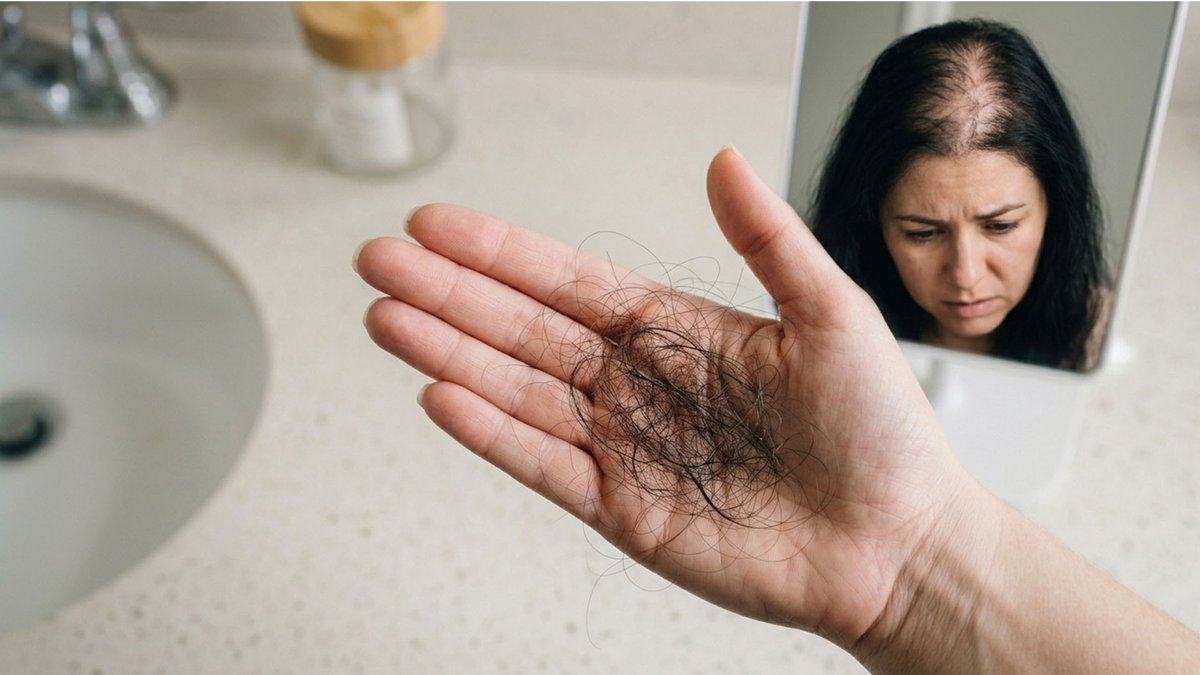
It tends not to look the way it does in men. There is rarely a defined receding line or bald crown. Instead, women notice that their ponytail has grown thinner, that more hair collects in the shower drain than it used to, or that a part that once looked full now sits wider and more exposed. The volume loss is gradual, and because it is gradual, it is easy to dismiss until it has progressed considerably.
What makes female hair loss particularly difficult to address is that the causes are rarely singular. The female hormonal ecosystem carries far more variables than the male equivalent. Menstrual cycles, pregnancy, postpartum hormonal shifts, birth control, perimenopause, gut health, iron stores, vitamin D levels, chronic stress, and genetic predisposition can all contribute, often simultaneously. Addressing one without understanding the others is why so many approaches deliver incomplete or temporary results.
This article is not about quick fixes. It is about understanding what is actually driving hair loss, what the evidence supports, and how a well-constructed scalp care protocol, informed by Korean clinical dermatology, fits into a comprehensive approach.
The Korean Clinical Philosophy on Scalp Health
In Korean dermatology, the scalp is not treated as a separate category from skin. It is skin. This may seem obvious, but it represents a genuine philosophical departure from how scalp care is typically approached in Western markets, where hair products are formulated around aesthetics and the scalp tends to be an afterthought.
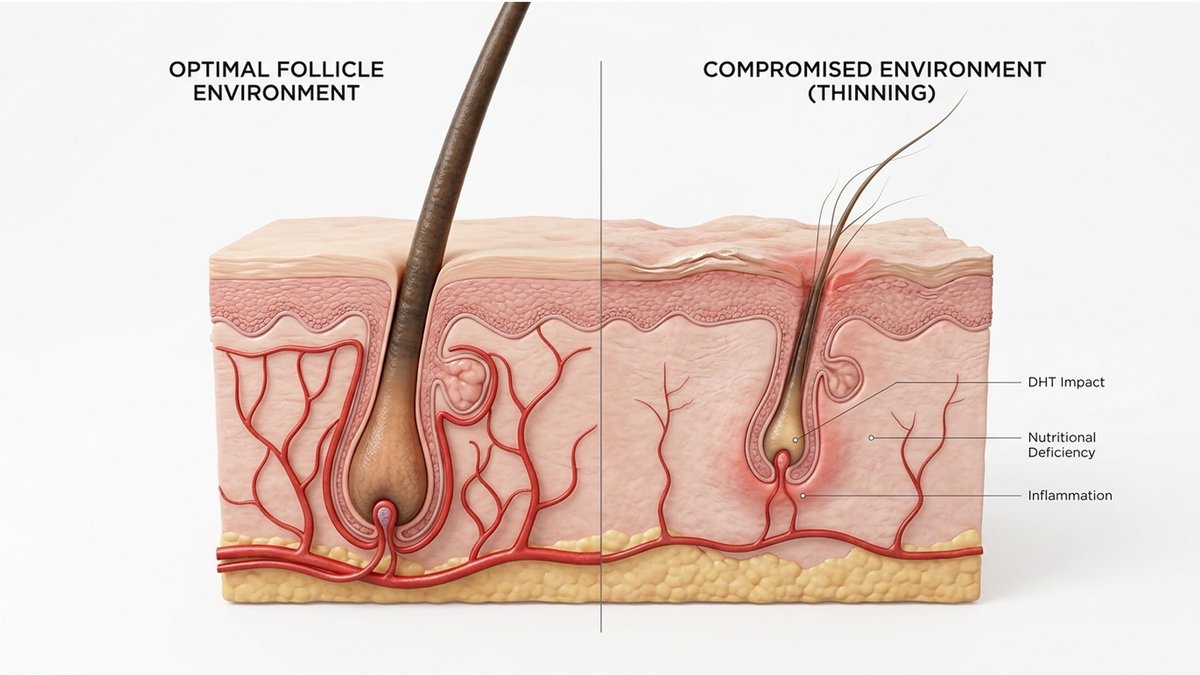
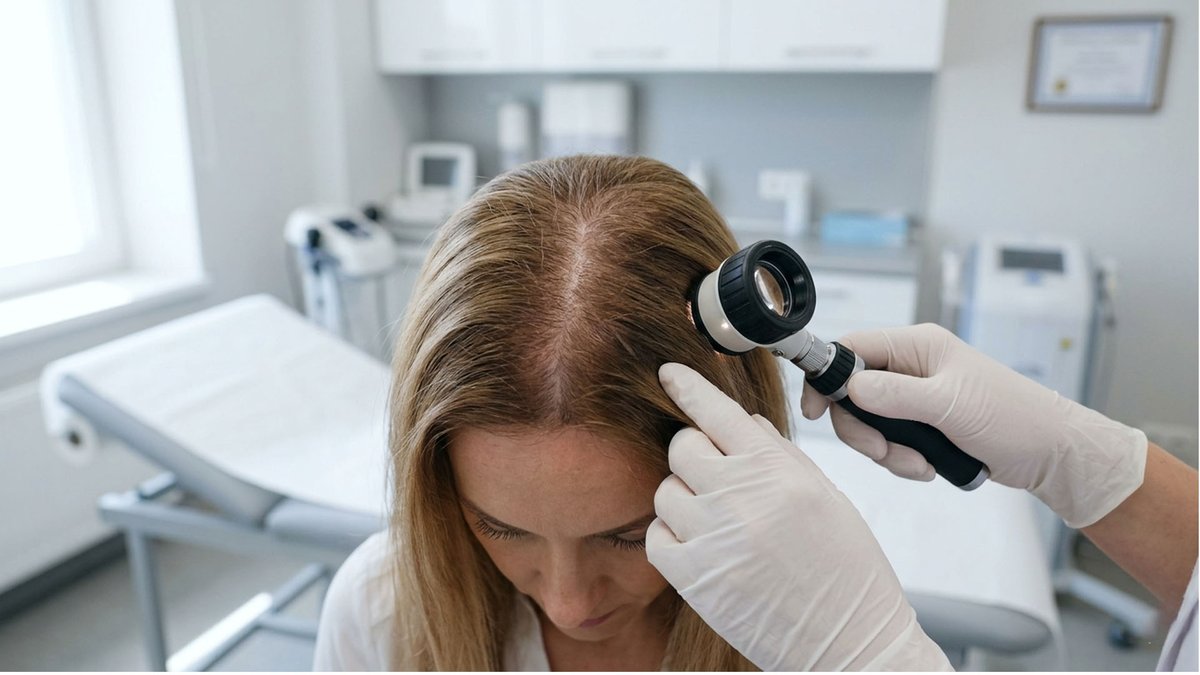
Korean clinical protocols begin at the scalp itself. The condition of the follicular environment, the integrity of the scalp microbiome, the presence of inflammation, and the adequacy of microcirculation are all assessed before any treatment decision is made. This mirrors the kind of holistic diagnostic thinking that certified trichologists advocate, where understanding the root cause, whether DHT-related loss, nutritional deficiency, or inflammatory disruption, determines what the protocol actually looks like.
Korean formulation philosophy also reflects this. Products developed within the Korean derma-cosmetic tradition, particularly those co-developed with dermatology clinics, are built around low-irritation, barrier-respecting ingredient stacks. The goal is to create an environment where the follicle can function optimally, not to override biology with aggressive actives. This is a meaningful distinction when the scalp is already compromised, inflamed, or recovering from a period of significant hormonal change.
How Hair Loss Actually Happens in the Body
Understanding the mechanism matters, because it changes how you evaluate solutions. There are three primary drivers of hair loss, and most cases involve more than one.
The first is DHT, or dihydrotestosterone. This androgen hormone is converted from testosterone via an enzyme called 5-alpha-reductase. When DHT levels are elevated, the hair growth phase shortens, follicles miniaturise, and hair gradually becomes thinner and finer before the follicle ceases producing hair entirely. Women have lower testosterone levels than men, but they are not immune to this process, particularly those with a genetic predisposition or hormonal imbalances that shift androgen ratios.
The second driver is nutritional deficiency. Hair is the second most rapidly dividing cell in the body, which means it is one of the first things the body deprioritises when resources are limited. Ferritin, the body's iron storage protein, is a key marker that is frequently found to be suboptimal in women experiencing diffuse shedding. Vitamin D, zinc, folate, and B12 are also consistently implicated. Women who follow predominantly plant-based diets, those who have recently given birth, and those going through perimenopause face a compounded risk of depleted reserves. Blood testing is not optional in a serious hair loss investigation. It is the starting point.
The third driver is inflammation, which often originates in the gut. A disrupted gut microbiome can create systemic low-grade inflammation that affects follicle function and scalp health. This is one reason why lifestyle factors such as chronic stress, poor dietary habits, and inadequate sleep contribute to shedding. Stress in particular can trigger telogen effluvium, a condition in which a significant traumatic or physiological event pushes a large proportion of hairs into the resting phase simultaneously, resulting in a sudden, diffuse shed that often begins weeks to months after the triggering event.
Scalp microcirculation is also a factor that receives less attention than it deserves. Follicles depend on adequate blood supply to receive nutrients and oxygen. When microcirculation is poor, follicle performance suffers. Scalp massage that physically moves the skin across the skull, not just light brushing, has a legitimate rationale in stimulating circulation, and the evidence behind it is more substantial than many assume.
 ---
---
Key Ingredient Science for the Scalp
This is where specificity matters. Not all ingredients marketed for hair loss have the same body of evidence behind them, and the Australian market contains no shortage of products built on trending actives rather than clinical substantiation.
The most clinically supported topical ingredients for scalp and follicle health within a cosmetic framework are peptides, specifically copper peptides, and PDRN.
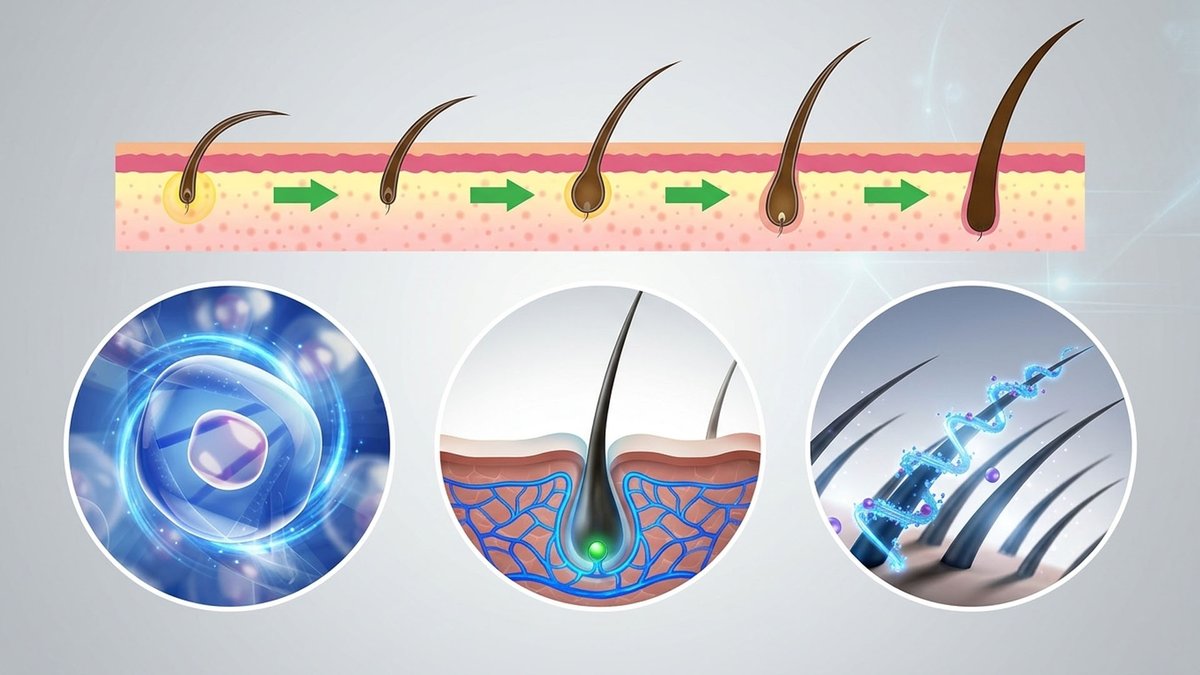
Copper Tripeptide-1, also known as GHK-Cu, is a naturally occurring copper complex that has been studied for its role in supporting scalp elasticity and follicle environment. It works to help inhibit the 5-alpha-reductase pathway associated with DHT-related follicle miniaturisation, supports the extracellular matrix in the scalp, and helps promote a healthier-looking follicular environment. It is one of the few peptide actives with both US and European patent backing and completed Phase 2 FDA clinical trial data supporting its role in supporting hair follicle function.
Caffeine, when formulated at therapeutic concentrations rather than as a cosmetic afterthought, interacts with the hair follicle growth cycle. It works via the cytokine signalling pathway to support keratin protein production and helps promote healthier scalp microcirculation by relaxing tension around hair follicles. The clinical data supporting caffeine at 0.001 to 0.005 percent concentrations in follicle culture studies demonstrated meaningful differences in hair shaft length over 120 hours compared to control groups.
Biotin, or Vitamin B7, is involved in keratin protein synthesis and supports the structural integrity of the hair shaft. It also helps support scalp comfort, which matters in protocols where the scalp is already sensitised.
PDRN, or Polydeoxyribonucleotide, is derived from salmon DNA and is one of the most clinically studied ingredients in Korean aesthetic medicine. In the scalp context, it is used for its role in supporting cellular renewal and skin barrier function. It is a well-established ingredient within Korean dermatology clinic protocols, and its inclusion in professional scalp ampoules reflects the same rationale that has made it a standard of care in skin recovery contexts.
Hyaluronic Acid at multiple molecular weights, Panthenol, and amino acid complexes round out a complete scalp formulation. These ingredients support scalp hydration, comfort, and the conditions under which follicles can function without the added burden of a compromised or dehydrated skin environment.
 ---
---
Who Is This Best For?
Female hair loss protocols of this kind are most relevant for four distinct profiles, each of which presents slightly differently and requires a somewhat different emphasis within the same foundational framework.
Women experiencing diffuse thinning, where volume loss is generalised rather than patterned, are the most common presentation. This profile is frequently linked to nutritional shortfalls, particularly ferritin and vitamin D, and responds well to a combination of nutritional correction and a low-pH, peptide- supported shampoo protocol that respects the scalp microbiome.
Women in the postpartum period face a uniquely compressed hormonal event. Oestrogen levels that were dramatically elevated throughout pregnancy drop sharply within days of giving birth, and the body, still nutrient-depleted from the demands of gestation, begins shedding at an accelerated rate. This is a physiological process, but it can be mitigated significantly with the right preparation and the right topical support during the recovery window.
Women using or transitioning off hormonal contraception may notice changes in hair density that are linked to the hormonal shifts involved. This group benefits from the same nutritional assessment approach, with particular attention to how synthetic hormones may have altered their micronutrient absorption over time.
Clinic clients who have undergone aesthetic procedures, from injectables to skin resurfacing, sometimes experience a period of reactive scalp sensitivity or diffuse shedding. For this profile, a low-irritation, clinically formulated scalp protocol that supports the skin barrier and calms the appearance of redness is both relevant and appropriate as part of a post-treatment maintenance plan.
 ---
---